
It’s 9 p.m. on the West Coast. The only lights are the red glow of a headlamp and the distant scatter of Velddrif.
Jessica Wilmot, BirdLife South Africa’s Flyway and Migrants Project Manager, picks her way carefully to the water’s edge. Cupped in her hands: a tiny, 60-gram Curlew Sandpiper, just fitted with a satellite tracker.
“I’m simultaneously terrified of holding such precious cargo and in awe that the little bird in my hands is about to embark on an extraordinary journey.” — Jessica Wilmot, BirdLife South Africa
In a few moments, she’ll open her hands, and it will fly off into the darkness on a journey thousands of kilometres north, all the way to its breeding grounds on the Siberian tundra.
This is the boots-on-the-ground conservation work your Westerman’s bird food helps make possible. A portion of every purchase supports BirdLife South Africa, and right now, that support is funding one of the most ambitious Curlew Sandpiper migration tracking projects South Africa has ever seen.
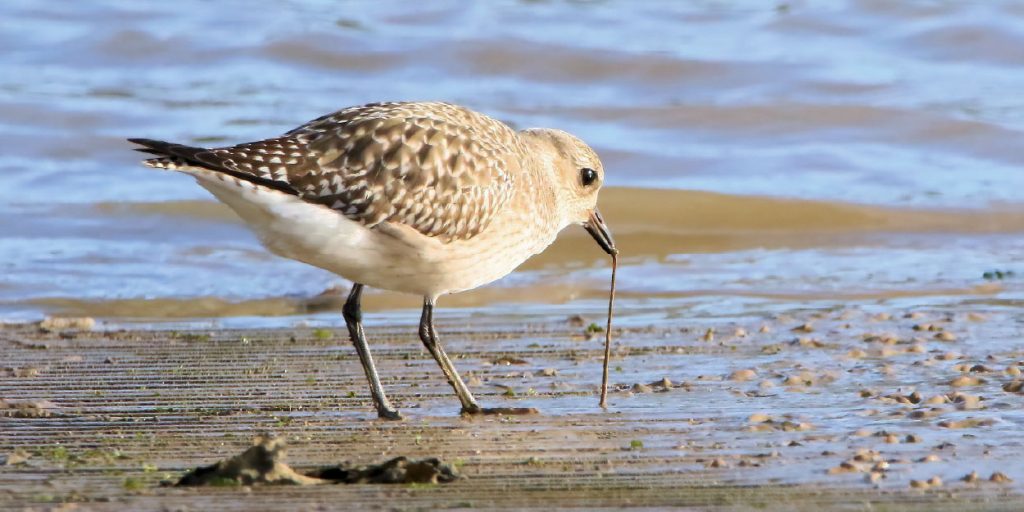
This season, BirdLife South Africa’s team tagged 20 Curlew Sandpipers and 3 Grey Plovers with lightweight satellite-tracking devices at Velddrif’s salt pans, a critical stopover on the African-Eurasian Flyway, one of the world’s great migratory corridors.
Each of these birds completes a round trip of up to 20,000 kilometres between southern Africa and Siberia every year; one of the most extraordinary feats of endurance in the animal kingdom.
For the first time, researchers can follow these birds in near real time as they lift off from South Africa until they land in the Arctic. Every location ping fills in another piece of a story that has, until now, remained largely untold.
The African-Eurasian Flyway connects the ecosystems of southern Africa to wetlands and tundra across three continents. Millions of birds use it every year, but the details of their routes, their critical stopover sites, and the threats they face along the way have been a mystery. This tracking programme is changing that.
Globally, migratory shorebird populations are in decline. The Curlew Sandpiper in particular is listed as Vulnerable on the IUCN Red List, its numbers falling as the wetlands it depends on degrade or disappear. When a species that evolved to cross continents starts running out of places to stop, the consequences spread across the entire flyway.
Not every bird that sets off from Velddrif will complete the journey. Natural challenges are part of that. But so are the human-made threats that have multiplied in recent decades.
Understanding precisely where they go is the essential first step to protecting them.
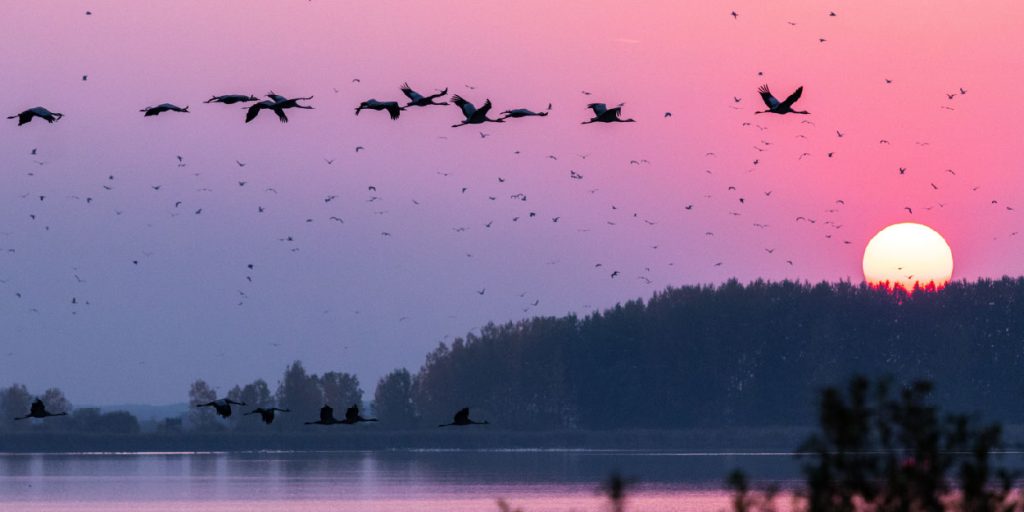
Each satellite tracker helps BirdLife South Africa’s researchers identify the specific stopover sites these birds depend on, the pace of their migration, and the routes they favour.
This data feeds directly into conservation planning — informing which habitats to prioritise, where to advocate for protection, and how to make the case for safeguarding the flyway at an international level.
When you fill your garden feeder with Westerman’s, you’re part of that chain — helping fund the science, the fieldwork, and the conservation advocacy that keeps South Africa’s birds flying.
In a few months, if the journey goes well, these tagged birds will make their way back south.
“It will feel like the return of old friends — whose incredible journeys we have been privileged to witness.” — Jessica Wilmot, BirdLife South Africa
That’s what conservation looks like in practice. And it starts in gardens just like yours.
You don’t need to be a bird expert to raise curious kids. You just need to make your garden interesting enough to look at.
Once they start arriving…
your kids won’t want to miss it.
You don’t need to be in the field to follow these birds.
Join BirdLife South Africa’s Migratory Shorebird Tracking WhatsApp channel for real-time updates as the Curlew Sandpipers make their way north:
About BirdLife South Africa
Sign up to our newsletter to keep up-to-date with everything Westerman’s.
"*" indicates required fields